
Table of Contents
The Aarti That Brings Peace to Every Ganesh Devotee
Have you ever thought about why the Sukhakarta Dukhaharta Aarti strikes a chord with you whenever you hear or sing it? No matter whether it is in crowded Ganesh pandals, or at home in a peaceful aarti, there is an immediate connection when the words start. This aarti is not just a song, it is a prayer filled with love, devotion, and divine meaning.
How the Sukhakarta Dukhaharta Aarti Became a Part of Every Ganesh Puja
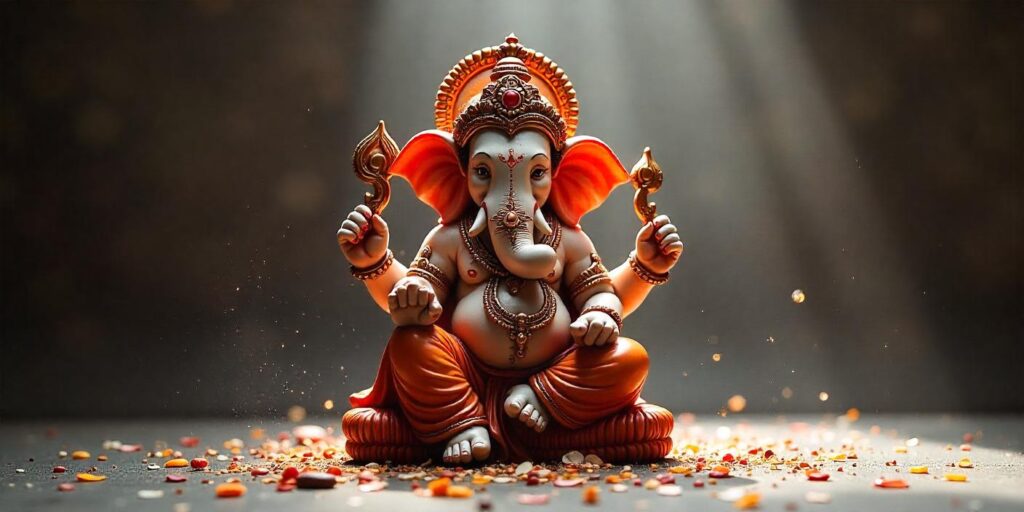
The Sukhakarta Dukhaharta Aarti is one of the best-known and most-loved Ganesh Aartis which is sung all across India. It is a hallmark of not just the ritual but sentiments. Every year, during Ganesh Chaturthi, millions sing this Aarti with folded hands and eyes shut believing that Lord Ganesha will remove their troubles. But where has this Aarti come from? Who wrote it, and what makes it so special?
Who Wrote the Sukhakarta Dukhaharta Aarti?
Written in the 17th Century by the famous saint and poet Samarth Ramdas Swami, the Aarti has stood the test of time. A great devotee of Lord Ram and Hanuman, Samarth Ramdas also had a tremendous love for Lord Ganesha. In the Marathi language, he crafted this Aarti with simplicity and power to reach all demographics of people. Even after more than 300 years, Ramdas’s voice and words still resonate in homes and temples.
Why Did Samarth Ramdas Write Sukhakarta Dukhaharta Aarti?
Samarth Ramdas aimed to create something simple for people to sing and understand. Observing how all types of people – children, elders, and the common man – love Lord Ganesha, he also realized that Ganesha not only removes obstacles but that he also brings peace and calm and happiness. This is why he calls Ganesha Sukhakarta – the one who gives joy! And Dukhaharta – the one who removes sorrow!
The Meaning of Sukhakarta Dukhaharta Aarti
Samarth Ramdas aimed to create something simple for people to sing and understand. Observing how all types of people – children, elders, and the common man – love Lord Ganesha, he also realized that Ganesha not only removes obstacles but that he also brings peace and calm and happiness. This is why he calls Ganesha Sukhakarta – the one who gives joy! And Dukhaharta – the one who removes sorrow!
Lord Ganpati Bappa Sukhakarta Dukhaharta Aarti
सुख करता दुखहर्ता, वार्ता विघ्नाची
नूर्वी पूर्वी प्रेम कृपा जयाची
सर्वांगी सुन्दर उटी शेंदु राची
कंठी झलके माल मुकताफळांची
जय देव जय देव, जय मंगल मूर्ति
दर्शनमात्रे मनःकमाना पूर्ति
जय देव जय देव
रत्नखचित फरा तुझ गौरीकुमरा
चंदनाची उटी कुमकुम केशरा
हीरे जडित मुकुट शोभतो बरा
रुन्झुनती नूपुरे चरनी घागरिया
जय देव जय देव, जय मंगल मूर्ति
दर्शनमात्रे मनःकमाना पूर्ति
जय देव जय देव
लम्बोदर पीताम्बर फनिवर वंदना
सरल सोंड वक्रतुंडा त्रिनयना
दास रामाचा वाट पाहे सदना
संकटी पावावे निर्वाणी रक्षावे सुरवर वंदना
जय देव जय देव, जय मंगल मूर्ति
दर्शनमात्रे मनःकमाना पूर्ति
जय देव जय देव
शेंदुर लाल चढायो अच्छा गजमुख को
दोन्दिल लाल बिराजे सूत गौरिहर को
हाथ लिए गुड लड्डू साई सुरवर को
महिमा कहे ना जाय लागत हूँ पद को
जय जय जय जय जय
जय जय जी गणराज विद्यासुखदाता
धन्य तुम्हारो दर्शन मेरा मत रमता
जय देव जय देव
अष्ट सिधि दासी संकट को बैरी
विघन विनाशन मंगल मूरत अधिकारी
कोटि सूरज प्रकाश ऐसे छबी तेरी
गंडस्थल मद्मस्तक झूल शशि बहरी
जय जय जय जय जय
जय जय जी गणराज विद्यासुखदाता
धन्य तुम्हारो दर्शन मेरा मत रमता
जय देव जय देव
भावभगत से कोई शरणागत आवे
संतति संपत्ति सबही भरपूर पावे
ऐसे तुम महाराज मोको अति भावे
गोसावीनंदन निशिदिन गुण गावे
जय जय जी गणराज विद्यासुखदाता
धन्य तुम्हारो दर्शन मेरा मत रमता
जय देव जय देव |
Shree Ganesh Sukharta Dukhahara Aarti In PDF
The Meaning of Sukhakarta Dukhaharta Aarti
सुख करता दुखहर्ता, वार्ता विघ्नाची
“O Lord Ganesha, you are the one who brings happiness (सुखकर्ता) and takes away all sorrow (दुखहर्ता). You have removed all of the problems mentioned(the obstacles) (विघ्नाची वार्ता) for both me and everyone else.”
सुखकर्ता = The one who gives happiness
दुखहर्ता = The one who removes sorrow
वार्ता विघ्नाची = Talks about the problems and obstacles he has removed for both me and everyone else.
नूर्वी पूर्वी प्रेम कृपा जयाची
“You have been bestowing love (प्रेम) and kindness (कृपा) upon us since ancient times (नूर्वी पूर्वी) ,O the one who always triumphs (जयाची).”
नूर्वी पूर्वी = Since long ago / ancient
प्रेम कृपा = Love and blessing जयाची = Of the one who always triumphs
सर्वांगी सुन्दर उटी शेंदु राची
“You are all beautiful (सर्वांगी) with your whole body (सुंदर) decorated with sandalwood paste(उटी) and red powder (शेंदूर).”
सर्वांगी सुन्दर = Beautiful/satisfied in every way /whole body attractive
उटी = scented powder (like sandalwood)
शेंदू राची = decorated with red powder
कंठी झलके माल मुकताफळांची
“A shining necklace (मुक्ताफळांची माल) of pearls is on your neck (कंठी झलके).”
कंठी = on the neck
झलके = sparkles
माल मुकताफळांची = a necklace made of a bead like pearl
जय देव जय देव, जय मंगल मूर्ति
“Glory to you O Lord (जय देव) you are the all good and auspicious trigger (मंगल मूर्ती).”
जय देव = Glory to the divine
जय मंगल मूर्ति = Glory to one who is the form of every good and auspicious thing
दर्शनमात्रे मनःकमाना पूर्ति
“Just by seeing you (दर्शनमात्रे), all desires of the heart (मनःकमना) are fulfilled (पूर्ति).”
दर्शनमात्रे = By mere sight of you
मनःकमना = Desires of the heart
पूर्ति = Fulfillment
रत्नखचित फरा तुझ गौरीकुमरा
“O son of Goddess Gauri ( गौरीकुमर), your forehead is graced ( फरा) with sparkling gems (रत्नखचित)”.
रत्नखचित फरा = forehead decorated with gems
गौरीकुमरा = son of Goddess Gauri (another name for Parwati)
“Your body is smeared/mixed with a paste of sandalwood (chandanachiouti), red kunk (kunk) and kesar”.
चंदनाची उटी कुमकुम केशरा
चंदनाची= sandalwood paste on the body
कुमकुम = red kunk
केशरा= saffron
“A crown (mukut) gem-set with diamonds (hire-jadit) shines on your head”.
हीरे जडित मुकुट शोभतो बरा
हीरे जडित मुकुट = crown with diamonds
शोभतो बरा = looks so nice/shines so beautfully
“Anklets (nupuree) on your feet are making sound (runjhunati), and a small belt (ghagaria) for your waist”.
रुन्झुनती नूपुरे चरनी घागरिया
रुन्झुनती नूपुरे = anklet ringing sound
चरनी =on your feet
घागरिया = waist accessory/small belt
लम्बोदर पीताम्बर फनिवर वंदना
“O Lord Lambodara (big bellied), with yellow clothes (पीतांबर), even the mighty serpent (फणिवर), prays (वंदना) to you.”
लम्बोदर = Big bellied one (symbolizes abundance)
पीताम्बर= Yellow divine robe (symbolizes purity and knowledge)
फणिवर वंदना = even the great serpent (symbolizes power) bows before you
सरल सोंड वक्रतुंडा त्रिनयना
“You are (सरल सोंड) curved trunk, (वक्रतुंड) curved mouth, and you have three eyes (त्रिनयना).”
सरल सोंड = graceful trunk (symbol of adaptability and strength)
वक्रतुंडा = one with a curved (remover of obstacles)
त्रिनयना = three eyed (symbolizes knowledge of past, present, and future divine vision)
दास रामाचा वाट पाहे सदना
“Lord, the devotee of Shri Ram (दास रामाचा) is waiting (वाट पाहे सदना) at your door step.”
दास रामाचा = devotee of Lord Ram
वाट पाहे सदना = waiting outside your home/place for darshan
संकटी पावावे निर्वाणी रक्षावे सुरवर वंदना
“Help us in our times of trouble (संकटी पावावे), protect us until liberation (निर्वाणी रक्षावे), O Great Lord (सुरवर वंदना).”
संकटी पावावे = Come to our aid in hard times
निर्वाणी रक्षावे = Protect us until our final salvation
सुरवर वंदना = Respected, and worthy of worship by the best of gods
शेंदुर लाल चढायो अच्छा गजमुख को
“I have avowedly offered red sandalwood to Lord Gajmukh (whose Face that of an elephant’s).”
शेंदुर लाल= Red sandalwood or vermilion, given as a holy offering
गजमुख = elephant-faced Lord Ganesha
दोन्दिल लाल बिराजे सूत गौरिहर को
“Charming and pot-bellied (दोन्दिल लाल) Ganesha (the son- सूत of goddess Gauri -Gaurihar) who is seated in glory (बिराजे).”
दोन्दिल लाल= cute, pot-bellied divine child
सूत गौरिहर को = son of goddess Gauri (Parvati)
बिराजे = seated with honor and grace
हाथ लिए गुड लड्डू साई सुरवर को
“Having made jaggery laddoos (गुड़ लड्डू) in both hands, Lord Ganesha is the Lord (साई) even of the greatest of gods (सुरवर को).”
गुड़ लड्डू= sweet offerings made from jaggery and flour, not fried
साई सुरवर को = Lord of the greatest divine beings
महिमा कहे ना जाय लागत हूँ पद को
“(I say) His greatness (महिमा) cannot be defined in words – I will only bow at his feet (पद को).”
महिमा कहे ना जाय= His splendor cannot be expressed in words
लागत हूँ पद को= I surrender at his feet.
जय जय जी गणराज विद्यासुखदाता
“Salutations to you, O Lord Ganesha (गणराज), granter of knowledge (विद्या) and happiness (सुखदाता).”
गणराज = Leader of the Ganas (Lord Ganesha)
विद्यासुखदाता = One who gives wisdom and happiness
धन्य तुम्हारो दर्शन मेरा मत रमता
“Blessed is your darshan (sight), it makes my mind (मत) peaceful and steady (रमता).”
धन्य तुम्हारो दर्शन = Blessed is the moment when I can see you
मेरा मत रमता = My mind becomes steady, calm and joyous
जय देव जय देव
“Victory to you, Oh Divine Lord!”
जय देव = Hail to the divine
अष्ट सिधि दासी संकट को बैरी
“Eight siddhis serve you like slaves and you are the bairee to all sunkats (troubles).”
अष्ट सिधि= The 8 Siddhi/Supernatural powers in Hindu like Anima, Mahima, Garima etc.
दासी = Slaves
संकट को बैरी = Enemy of all hazards and likes.
विघन विनाशन मंगल मूरत अधिकारी
“You are Vighn Vinashan (remover of troubles) and independent of all-mangal murt (my good), the original lavishkaari (one with grace) at blessings.”
विघन विनाशन = Remover of troubles (Vighn)
मंगल मूरत= A good image
अधिकारी = The one with grace on a blessing
कोटि सूरज प्रकाश ऐसे छबी तेरी
“Your champi (छबी) is like crores (कोटि) of suns (sura) shining (प्रकाश).”
कोटि सूरज = crores of suns
प्रकाश = radiant: shining.
छबी तेरी = divine look/ reality.
गंडस्थल मद्मस्तक झूल शशि बहरी
“The chandra (mood) is swinging (झूल) beautifully on your gundh (gandh) and master (head).”
गंडस्थल = two temples (side of the face)
मस्तक = Forehead
झूल शशि बहरी = Crscent mood swinging smoothly hanging
भावभगत से कोई शरणागत आवे
If someone comes to your shelter (शरण) with true feeling (भाव), a devotee (भगत), true feeling, and devotion (भगत),
शरण = Refuge
भाव = Feeling; emotion, feeling from the heart
भगत = An idea is love or devotion to God
शरणागत = A person who comes for help or believe in surrender or who is seeking refuge
संतति संपत्ति सबही भरपूर पावे
They become rich – children (संतति), wealth (संपत्ति), and all they desire to have.
संतति = Offspring / children
संपत्ति = Wealth, prosperity
भरपूर पावे = Get everything in plenty
ऐसे तुम महाराज मोको अति भावे
O king (महाराज), I am much attracted to you (मोको अति भावे)
महाराज = King or honorable king (divine keeper)
मोको अति भावे = I adore you very much / but the meaning could be I am connected to you very much etc.
गोसावीनंदन निशिदिन गुण गावे
I am the son (that is probably benth), I am very ordinary child of my guru (Gosawi Nandan), and I sing your greatness and praises day and night (निशिदिन)
गोसावीनंदन = A son or follower of Gosavi (possibly saint samarth ramdas or some poet devotee)
निशिदिन = Day and night
गुण गावे = Sing your virtues / praises
Why This Aarti Is So Powerful Emotionally
Sukhakarta Dukhaharta Aarti is not merely recited – it is experienced. The cadence, the simplicity of the words, and the feeling it conjures resonates with everyone from any generation or background. When you are in Ganesh pandals with thousands of other voices, and they are all singing the same Aarti, the feeling is pure and divine. At home, it is also pacifying and spiritual.
Sukhakarta Dukhaharta Aarti: In Every Ganesh Puja
Ganesh Puja without Sukhakarta Dukhaharta Aarti is incomplete, no matter if it is a smaller home situation or in a large pandal, it is sung with the same love and spirit. The moment it begins you want to say, “insert deity or Lord Ganesha here” is with us blessing everyone. That’s the wooism of Aarti. It is a word of invocation to God.
As Sri Sri Ravi Shankar says, “Devotion is the highest form of intelligence. When you sing with devotion, you connect with the divine instantly.”
This is exactly what happens during Sukhakarta Dukhaharta Aarti. It brings devotion and peace together.
Why the Aarti Is Still Relevant Today
Today’s fast-paced world contains stress and tension everywhere. However, when you are seated before Lord Ganesha, and sing this Aarti, it feels as if everything slows down into one whole and calm existence. Everyone, from children to elders, finds it comforting. For children it offers spirituality. For elders it offers a daily practice that creates peace in the mind.
Legendary singer Lata Mangeshkar, who sang the Aarti in many recordings, once said, "The Sukhakarta Dukhaharta Aarti has a divine tune. When you sing it with faith, it heals the heart." Sukhakarta Dukhaharta Aarti Teaches Devotion in Simple Words This Aarti shows that devotion doesn’t need difficult rituals or big offerings. Just a pure heart and honest singing is enough. "मन प्रसन्न होतं, जेव्हा आपण गणपती बाप्पाची आरती म्हणतो. शब्द सोपे आहेत, पण भाव खोल आहेत." These words from a devotee remind us how this Aarti reaches straight to the soul.
Ganpati Bappa’s Blessings Through This Aarti
Whenever you sing the Sukhakarta Dukhaharta Aarti, you are calling Ganesha into your life. You are calling in peace, success, and wisdom. The vibrations of the Aarti can cleanse negativity and bring positivity and great energy into your home.
Conclusion
The Sukhakarta Dukhaharta Aarti song is a lot more than a song; it is a tradition, an emotion, and an instrument of spirituality. It connects us to our roots and brings a sense of peace into the heart. As we get ready for this year’s Ganesh Chaturthi celebrations, let’s commit to being a part of our daily devotion. Book an experienced Pandit with DharmikShree and make your celebration complete.
Book now with full devotion for Grah Pravesh Puja, Kundli Milap, Vaidik Puja Karya, and Jyotish Vidya services.